It’s Not About Skipping the Toast — It’s About Drinking With Intention
January often arrives with lists: what we give up, what we cut back on, what we “shouldn’t” do. Among them, the now-famous Dry January makes its appearance. But beyond the month or the trend, there’s a conversation that interests me far more: how we drink — and why.
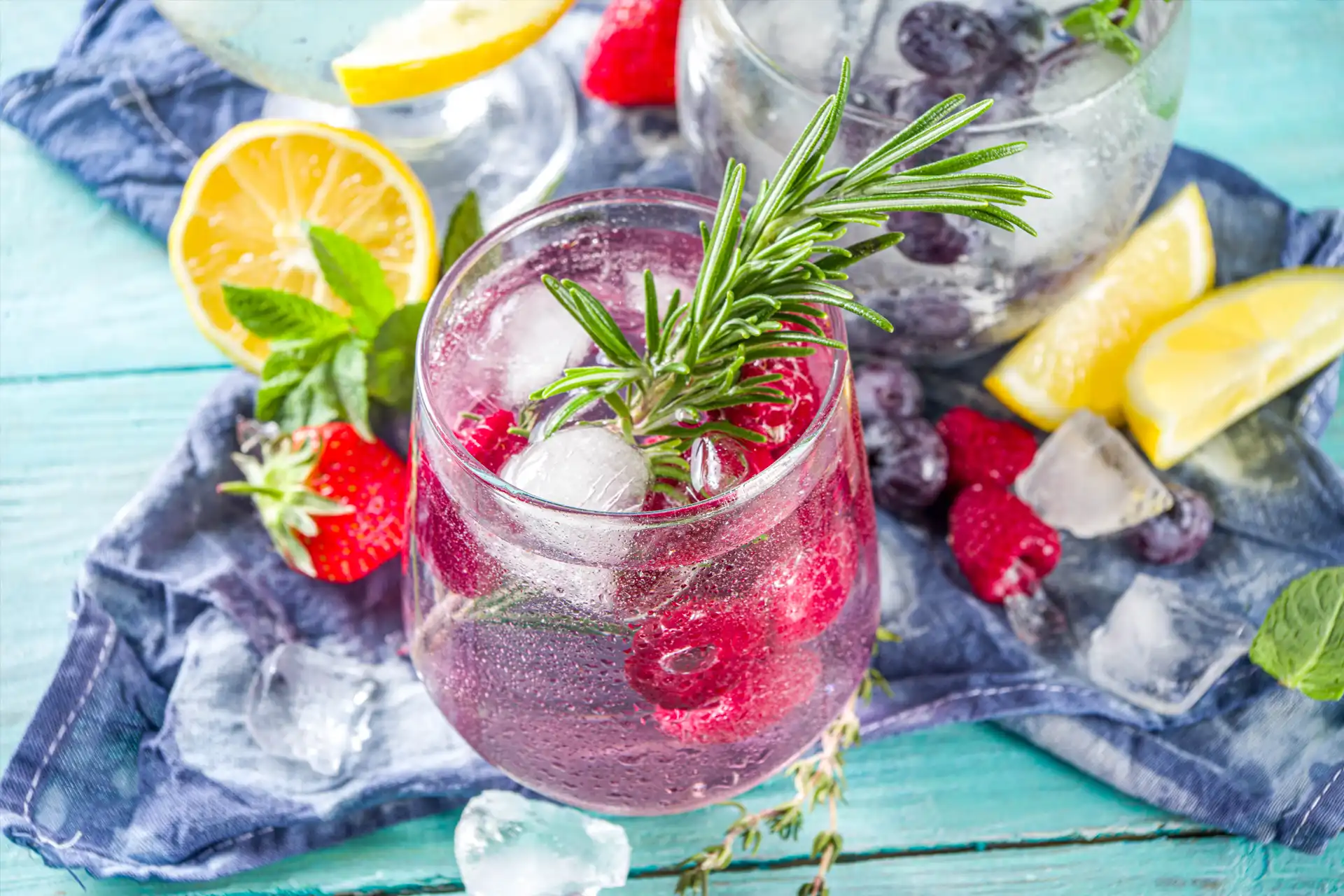
When we remove alcohol from a cocktail, we don’t remove the experience. We rebuild it using fresh juices, aromatic herbs, bubbles, and a touch of bitterness. A good mocktail isn’t juice. It’s balance, aroma, and pleasure — but with intention.
In the kitchen, we know this well: it’s not about eliminating ingredients, but about understanding their role. That’s why I like to think of mocktails as liquid dishes. They have structure, texture, aroma, and presentation. They are thought through, tasted, and served with the same respect as any well-made dish.
Mocktails as Liquid Dishes
A good mocktail combines acidity (citrus, hibiscus), aroma (fresh herbs), texture (bubbles, ice, frozen fruit), and a balance between sweet and bitter.
Some combinations that work beautifully at home:
- Fresh orange juice + rosemary + sparkling water
- Fresh pineapple or tamarind + lime and ginger + mint (my favorite)
- Lemon + honey + thyme + soda
- Hibiscus with agave + citrus soda + spearmint
These aren’t rigid recipes — they’re ideas meant to help you enjoy the process, because the experience also lives in the time we spend preparing these drinks.
Using freshly squeezed juices makes a huge difference: more flavor, better aroma, and greater freshness. It also allows us to control what we’re drinking — no artificial colors, no excess sugar, no unnecessary ingredients. For sweetness, opt for honey, dates, or fresh or frozen fruit.
Fresh herbs are not just decoration. They bring aroma, complexity, and natural benefits. A simple slap of mint, basil, parsley, cilantro, or rosemary can completely transform a drink.
And then there are the bubbles. Sparkling water or soda adds that festive feeling we associate with toasting. It elevates the experience without the need for alcohol.
A Note on Presentation
How a mocktail is served matters. A beautiful glass, large ice, and a small garnish make it feel special. Ritual matters. Drinking is also a visual experience.
What If You’re Not Doing Dry January?
There’s also room for wines that are naturally lower in alcohol, typically ranging between 6% and 11%. They’re ideal for toasting with moderation without giving up pleasure: light sparkling or frizzante wines, crisp whites from cooler climates, and young wines with no oak aging, where acidity and balance take center stage.
Once again, the key isn’t elimination — it’s choice. Whether it’s a thoughtfully crafted mocktail or a lower-alcohol glass of wine, what matters is enjoying the moment, listening to your body, and celebrating with moderation and awareness.